
Elicar 90mm f2.5 Macro lens review by Ken Cork
Welcome to a review of another purchase from Soper Photographic. This one is the Elicar V- HQ 90mm f2.5 Macro.
This lens is a little different, first off it came in two different versions the original was a medical lens much used by dentists and then there was the photographers version. To tell the difference between the two, on the medical lens the aperture ring is marked in ISO numbers (film speed) whereas the photographers version has the more traditional F stop markings on the ring which goes from f2.5 to f22.

The lens does not have the normal focus ring and it does not focus to infinity. The barrel is marked in macro ratios, at the bottom end its 1:20th through to 1:1 magnification. As a result unlike other macro lens which may have fixed 1:1 ratio and conventional focus ring this lens to focus you move lens back or forward until subject is sharp.

The lens is heavy by any ones standard and makes both my Minolta XD7 and Sony A7Rm3 feel very front heavy. If like me, you're going to use this outdoors photographing insects etc a tripod may not be very practical and some practice will be needed, indoors in studio with subjects that don’t move tripod will be helpful.

I loaded my Minolta XD7 with Kodak 200 Gold and head for an easy to get to site for insects and plants -it’s also nice and quiet, Ford Park Cemetery in Plymouth city centre. Baring in mind the time of year not many insects were about so instead I shot a few plants. As stated this lens is heavy moving the barrel to set the macro ratio is stiff which is ideal as no chance it will slip and change position when focusing.

The lens proved to be sharp and it has good colour saturation which is very compatible with my
Minolta lenses I may need practice with framing my images but I put that down to the weight
of the lenses and how front heavy my set up was. I have used a few Macro lenses and they rate very highly, the build quality is excellent. This lens was sold under different labels it was
sold by Vivitar and Tonika in each case it was exactly the same lens.

About a week or so later, it was a decent day so I grabbed the lens and my Sony A7Rm3 mirrorless
and a K&F concepts mount adaptor. If you’re using vintage lenses on digital cameras I do
recommend these mount adaptors they are well engineered and their ability to match
tolerances to different manufactures is spot on.
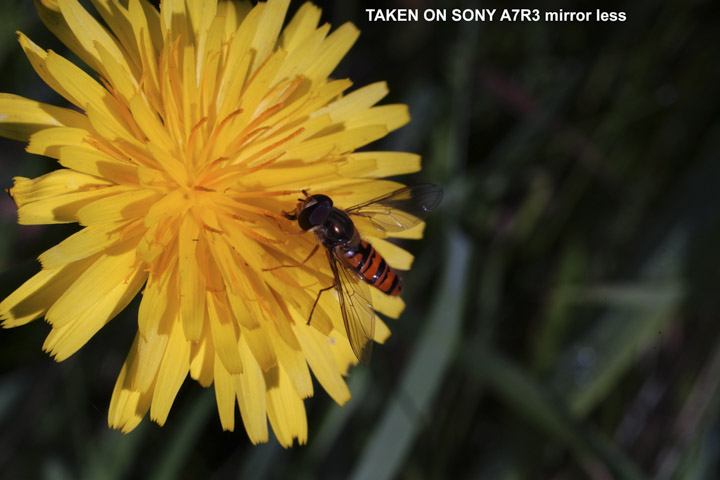
As with the Minolta the set up, this was also front heavy, however I found it easier to use then the
Minolta. I had to focus by moving toward or back from the subject looking through the view
finder with the Sony. I had the rear view screen linked with the focus peaking feature and tilt ability of the view finder getting focus my ability to frame image was improved as well.
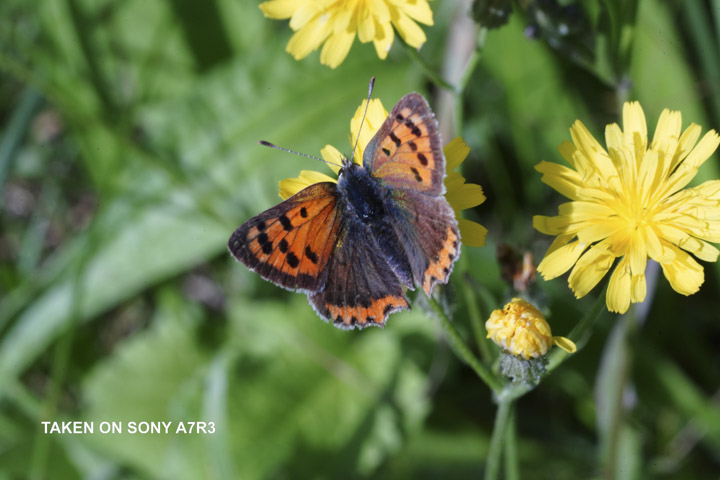

Overall this is excellent lens build quality and the quality of the pictures produced is very
good. If using this on a film camera some practice will be needed baring in mind its different
design. I am reasonably sure this is due to lenses original medical heritage. On a digital
camera you will have little more help to get it right what with anti shake systems and focus
peaking and rear view screens. All in all a very good buy price will depend on condition this
one was mint externally and clean inside no moisture or fungus and little or no dust.


