Leica M2, a review by local photographer Richard de Bulat
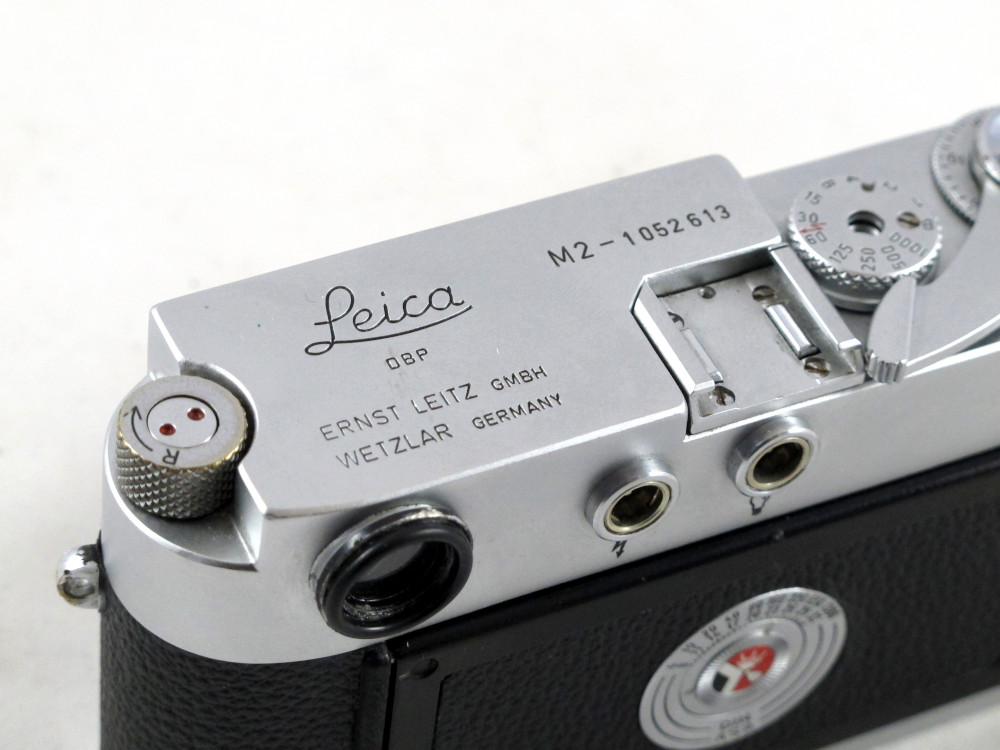
I tried out the Leica M2 that was for sale in the shop, a classic Leica from the late 50’s and was not disappointed. Loading was fairly straightforward, once you know the Leica way except that I was not entirely confident that it was winding on. I opened the back to make sure, lost a few frames in the process and discovered that it was winding on and should have been more confident from the outset. The winder action is positive, finishing its stroke with a definite click, ready to brink the range finder to your eye, ready to compose and shoot the next frame.
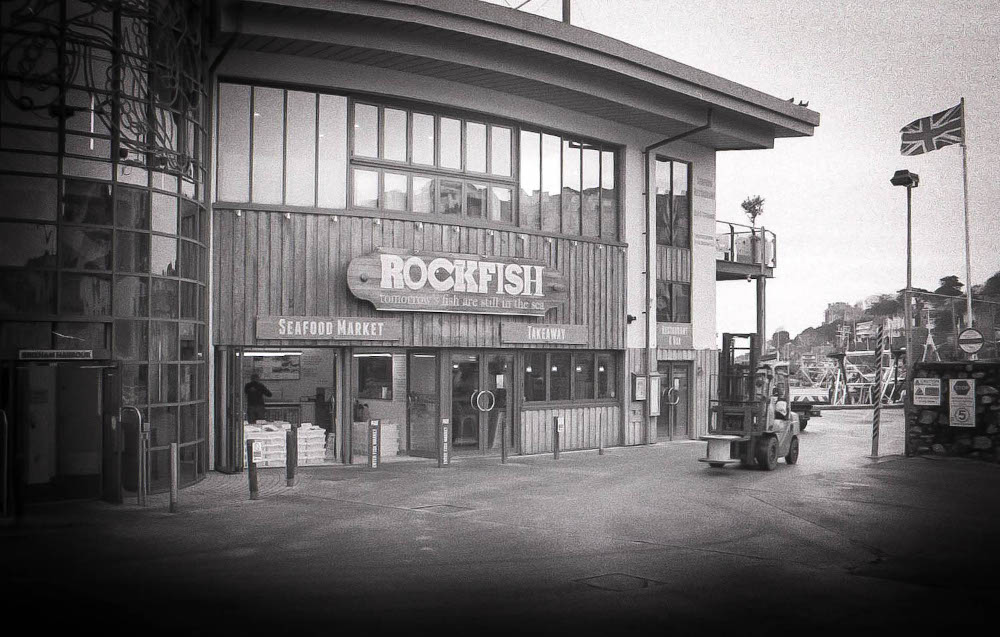
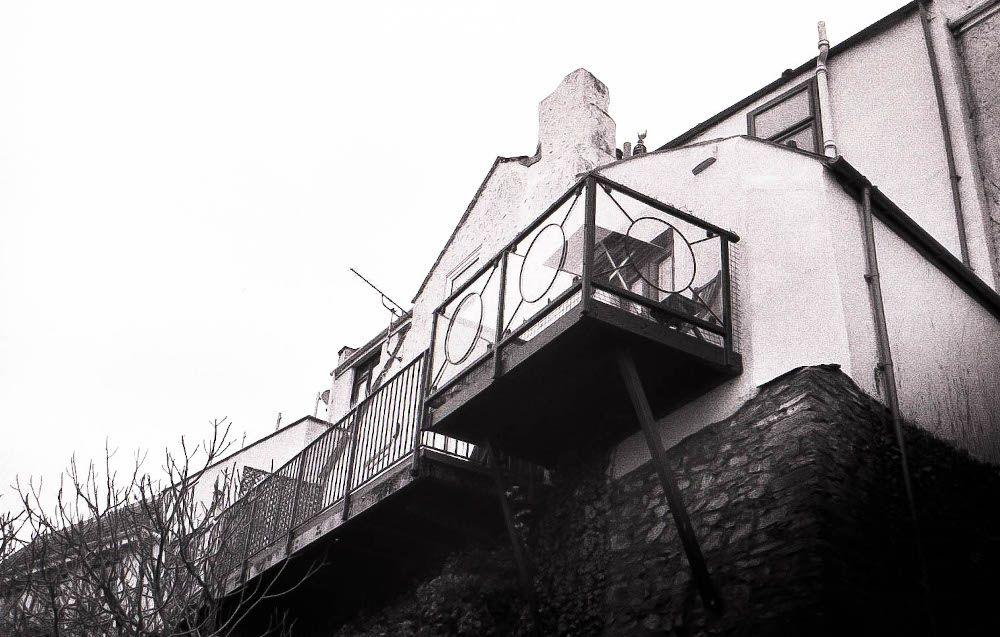
I was using the 7 Artisans 35mm f1.4; the lens is longer than the Leica equivalent, cutting about a quarter of the frame in which you compose your shot. In practice, this does not impede you, but does mean that you don’t have the precision of an SLR, but that’s not the point of a rangefinder. A rangefinder does not impede your view of what is going on around you, outside of the frame in the way that an SLR does, which is why rangefinders are appreciated so much by street photographers.
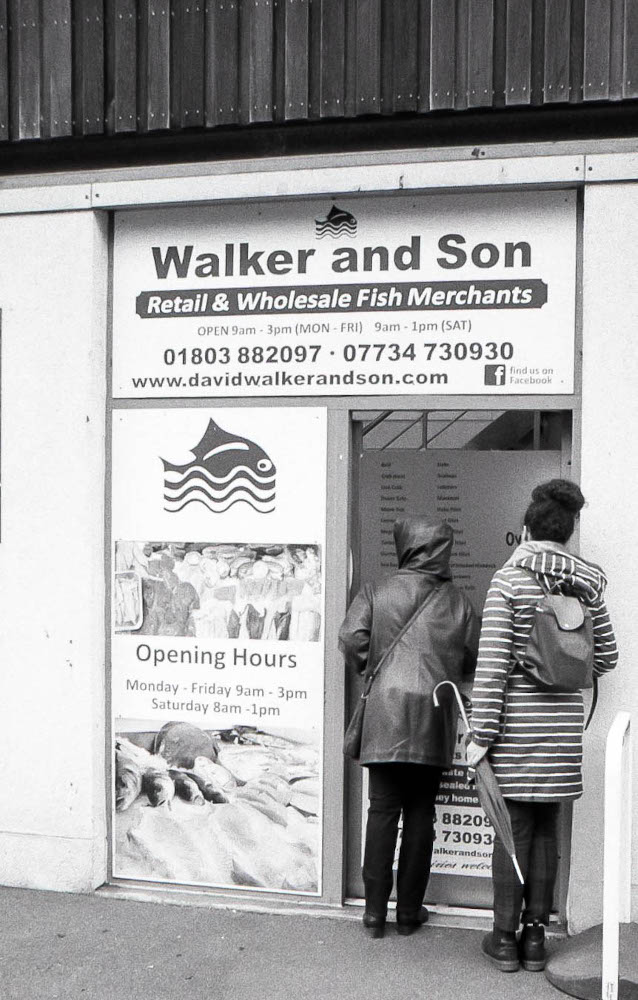
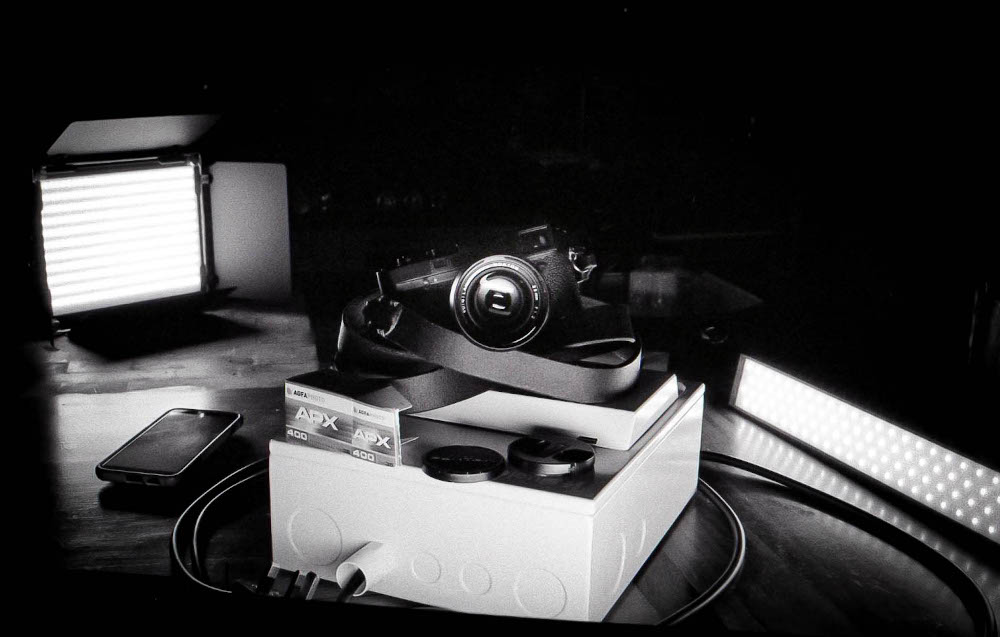
The 7 Artisans lens, offers quite a lot: it is much cheaper than the Leica lenses and around half the price, or less, than a good Voigtlander or Carl Zeiss alternative. It is not as good as these lenses used wide open, but stopped down, you may not notice the difference. I checked it against my Voigtlander Nockton f1.2 stopped down to f8 in a controlled studio type shot and got similar results, so I think that the 7 Artisans offers very good value for money.
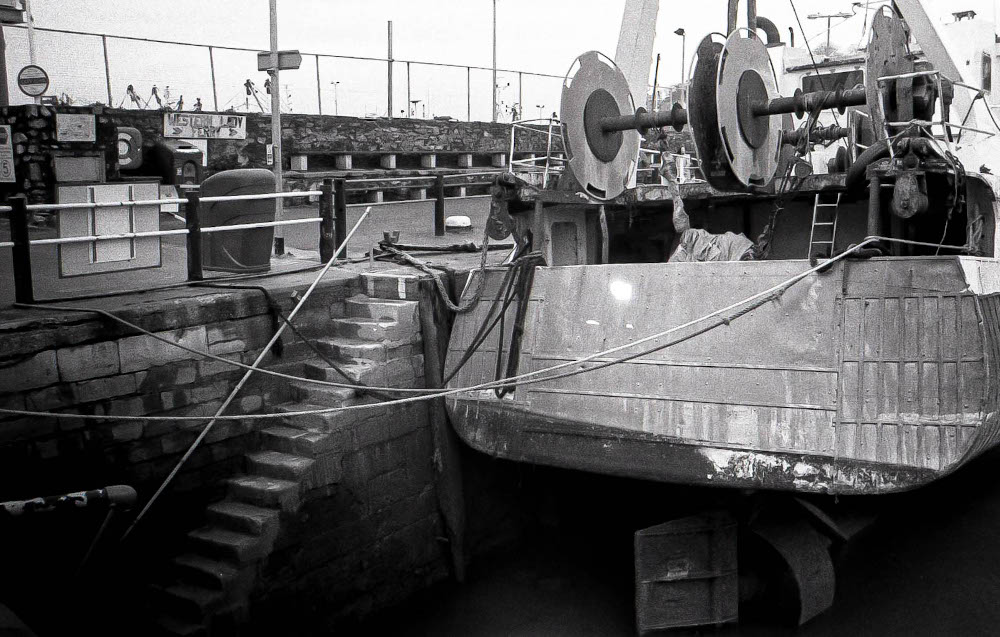
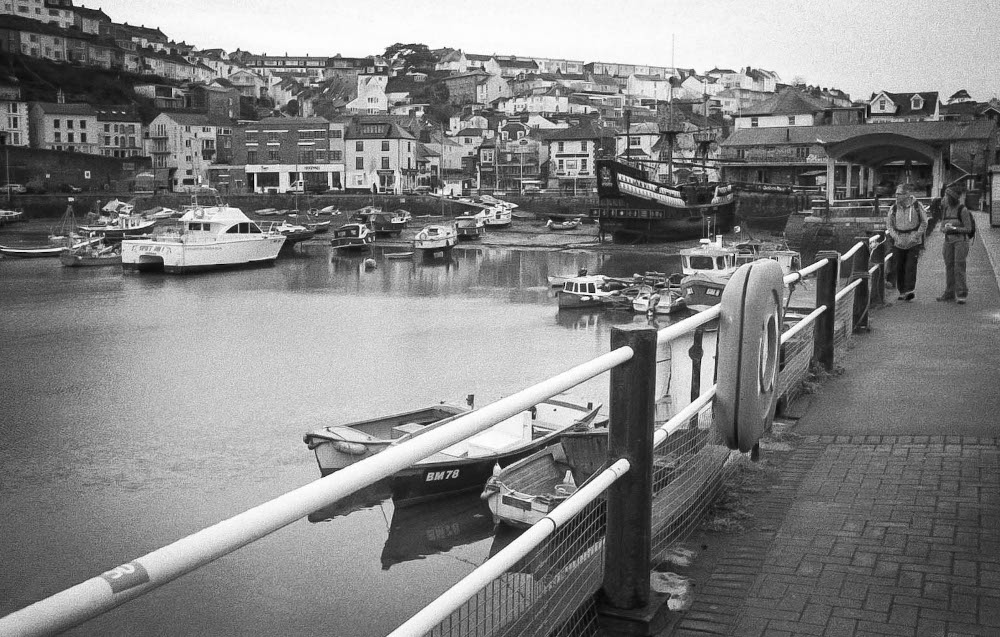
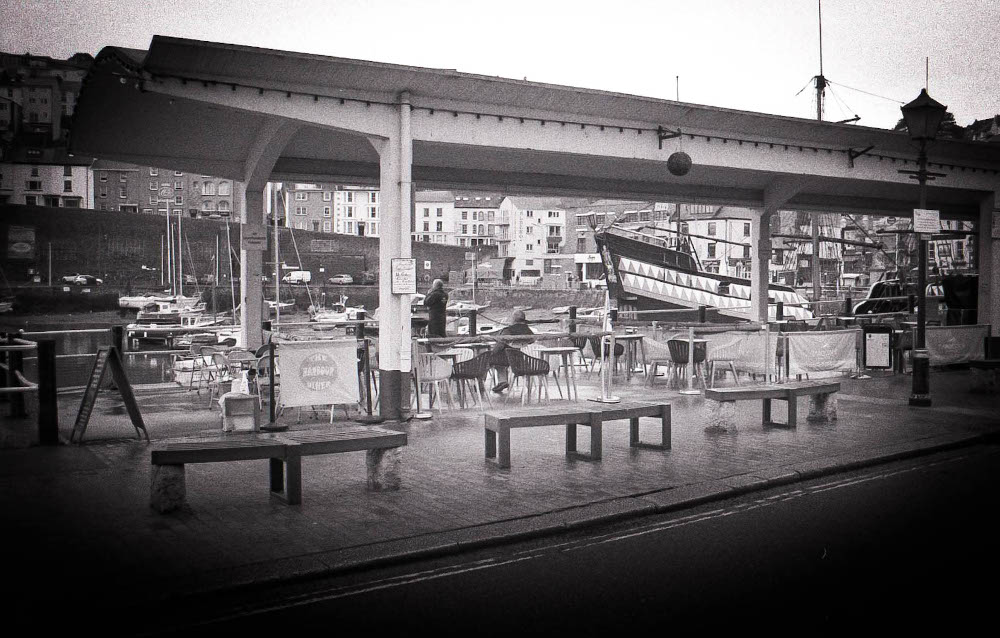
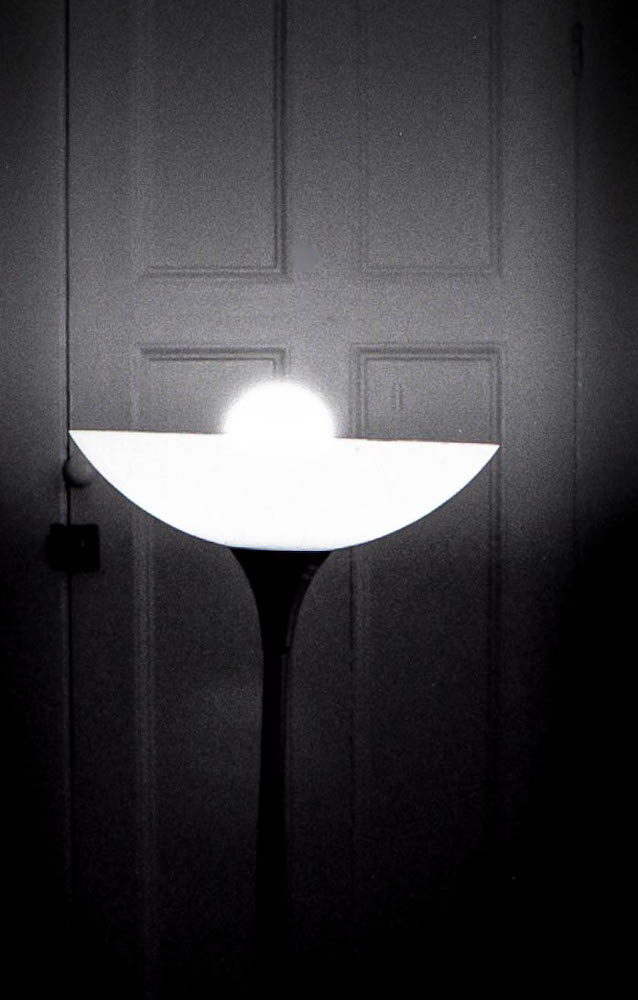
I was down in Brixham on a wet and dreary day and ran a roll of APX 400 film through the camera. Over exposing by about a 1/3rd of a stop and under developing by about 15% offered a bit of contrast, but not a great deal although the images were satisfactory, if not spectacular. The camera handled very well, as you would expect. The focusing patch works well and is clearly visible in the viewfinder window and everything works with well engineered, mechanical precision and no batteries required. This means that there is no light meter; I made a few spot meter readings, set the camera and didn’t change the settings for the rest of the shoot since there was no appreciable change in lighting conditions.
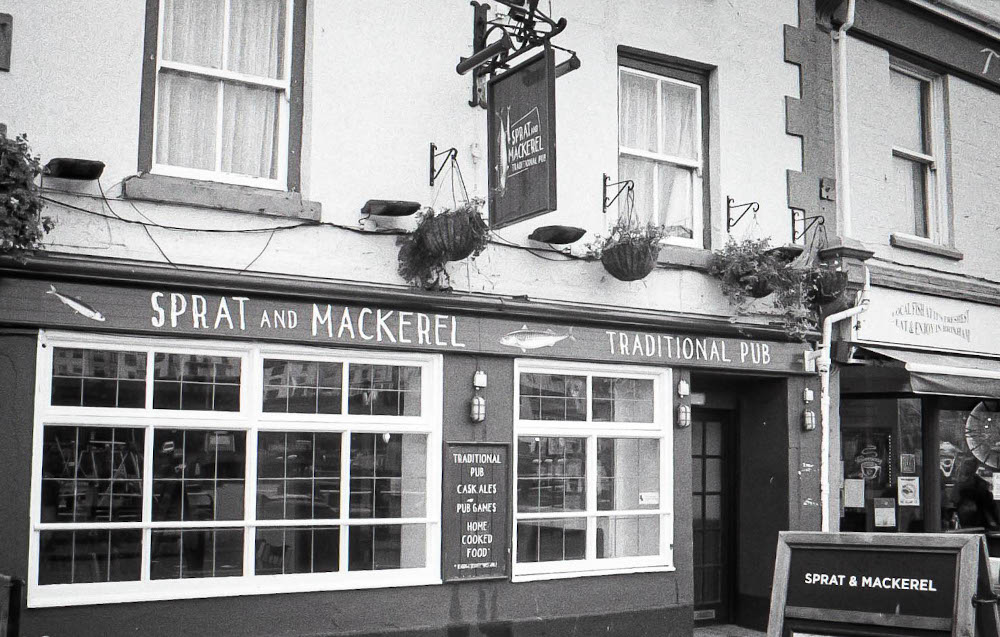
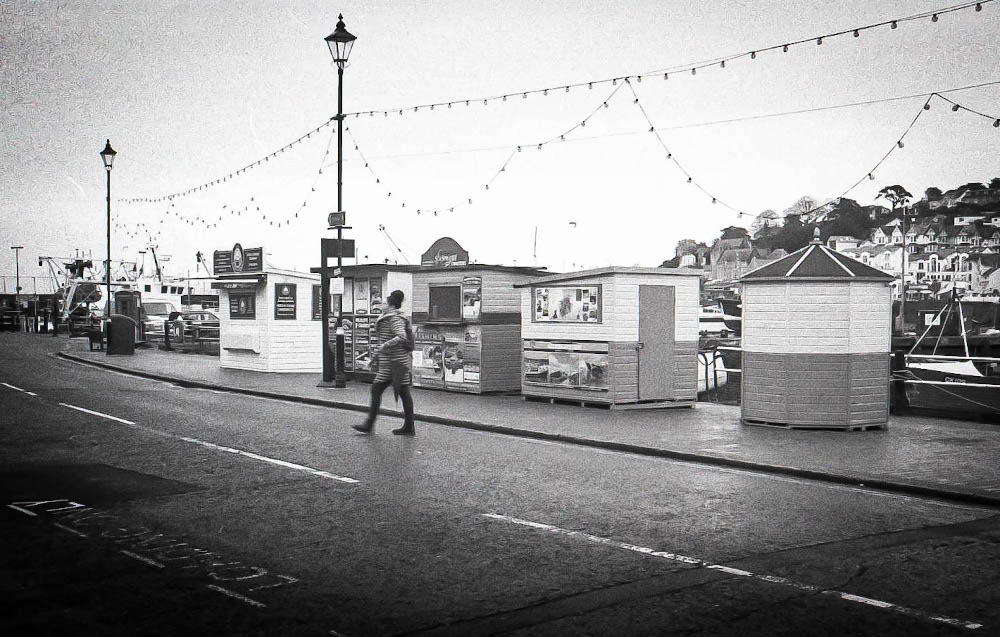
For the lens comparisson shots I used a tripod, but this camera is meant for hand-held use and, as such, it works well, fast to focus manually and wind on shot after shot – actually a joy to use. Don’t expect any great kudos or recognition for being a Leica user though, it is practically unnoticeable in your hand making it discrete and perfect for street photography, especially if you zone focus beforehand.