
Leica M3 by Richard de Bulat
Another week, another Leica, it seems, although this review will have a slightly different take for reasons I will explain later.
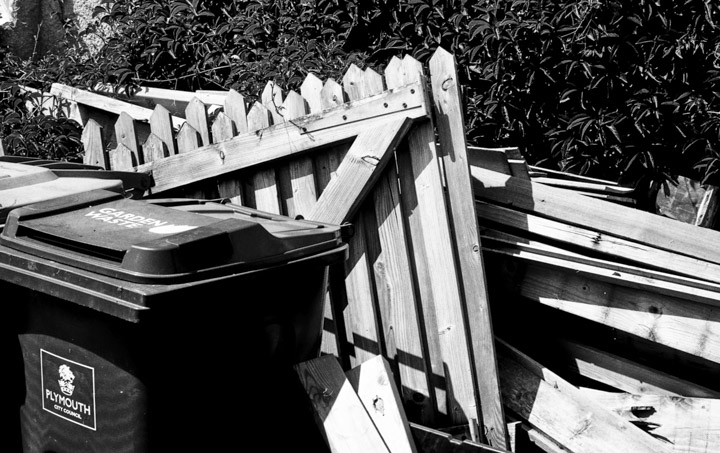
The M3 is the quintessential Leica in many ways; by all account a favourite of Henri Cartier Bresson who used this model for quite a few years and for good reason, which is, it works like a dream. There are other models and you could say that there are better models, but this is the one that sets the scene, despite some limitations. Starting with said limitations, there is no built in light-meter which is hardly the end of the world and may even be preferred as it reduces the number of settings you have to play about with. I usually take an incident light reading at the outset and make basic adjustments based on how the light changes scene from scene, rarely referring to my light-meter again unless the light changes dramatically. The second limitation may be more significant: the camera gets its name from the fact that it is equipped for three lenses, the 50mm, 90mm and 135mm. Now, unless you are Ralph Gibson, you would hardly ever expect to use the 135mm lens and perhaps only occasionally the 90mm lens on a rangefinder. I have a 90mm for the M series and can’t remember the last time I thought to use it, so you are basically going out with the 50mm lens; if you want to use any other lens, the best advice is to get another model. However, going about with one camera and one lens is no bad thing and referring back to Henri Cartier Bresson, he rarely used anything other than a 50mm lens, which is saying something for this setup.

I went out at the back end of Breakwater and walked out towards Oreston, a route that I have taken before, but not for a while. I was surprised to see the changes and for greater security arrangements which meant I couldn't get as close to the water and the Cattedown Wharves as easily as before.

I thought that it would be an idea to take a second look at and retake some of the photographs I took back in 2021 for my photo-book on the South West Coast Path but, of course, you never really take the same photo twice.
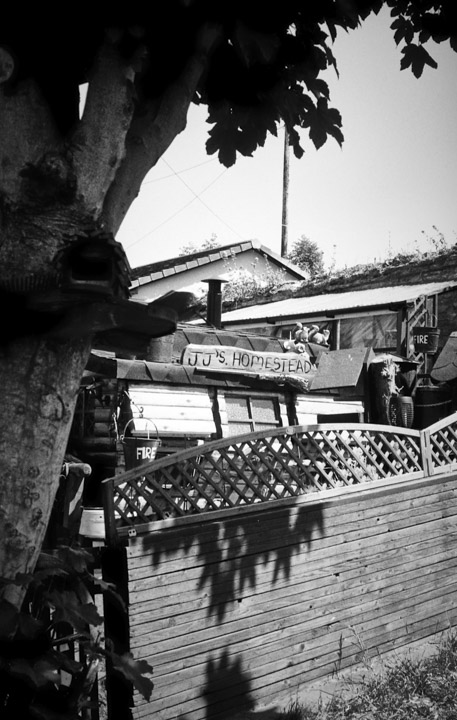
As I said previously, the camera is a dream to use, but in the process of taking the pictures and processing them, it became clear that the rangefinder requires slight calibration and I understand that this is now underway and when the camera finally makes it to the website it will be in perfect condition.

The Leica M3 performs, in every other respect like a well oiled machine and silky smooth; it is a cliche to say that it is awesome to use, but it is. Obviously, using a rangefinder is not the same as using an SLR, but I would say that the rangefinder system is, ordinarily, pretty fool proof; focus is quick and usually very accurate and the little bit of range outside of the framelines improves framing, in my opinion. Buying a Leica is a big commitment, but the mechanical perfection of an old M series camera ensures that your investment will last a lifetime. If you want to get into the rangefinder system there are some cheaper alternatives to try out; in the end, you will definitely return to a Leica.


