
MINOLTA SRT101 SLR, by Ken Cork
Hello
Welcome to my preview of one of my favourite totally manual film cameras.
Minolta’s SRT101 SLR was first produced in 1966 and was the first camera to use through the lens metering. All other camera’s up to then used hand held light meters or light sensitive strips on the front of the camera body. With this camera came the MC series lenses, meter coupled, essential for the through the lens metering to work. The Minolta lens mount is the SR bayonet mount introduced with the earlier SR bodies and remained the same through MC series and MD series lens only changing when Minolta introduced the first auto focus camera the A7000 with the AF lens, theses also fit Sony A mount DSLR’s range in 1981.
Photo one was taken using Minolta 58mm F1.4 MC Series I prime lens @f2 60th of sec shutter speed
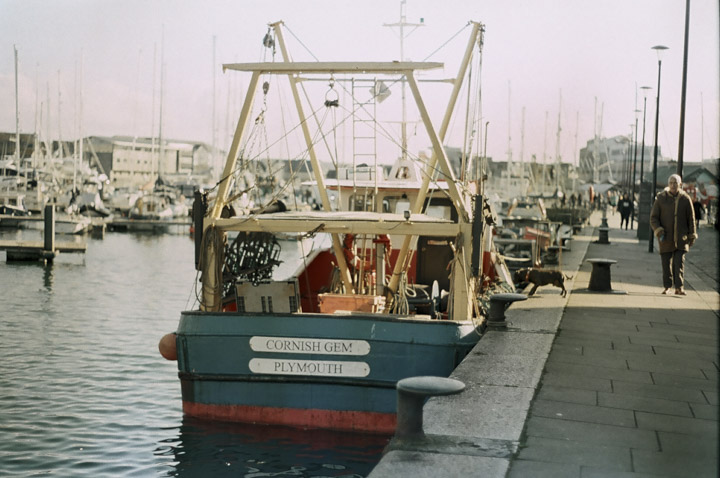
Photo two was taken using Minolta 58mm F1.4 MC Series I prime lens @f2.8 60th of sec shutter speed

The SRT101 was bought as body only for £69.00 for this review I have matched it up with a 1966 Minolta MC Rokkor 58mm f1.4 prime lens and the 1983 Minolta MD III 35-70mm. f3.5 zoom with 1:4/1:7 macro function from my collection.
Photo three was taken with a Minolta 58mm F1.4 MC Series I prime lens @ f2 60th of sec shutter speed
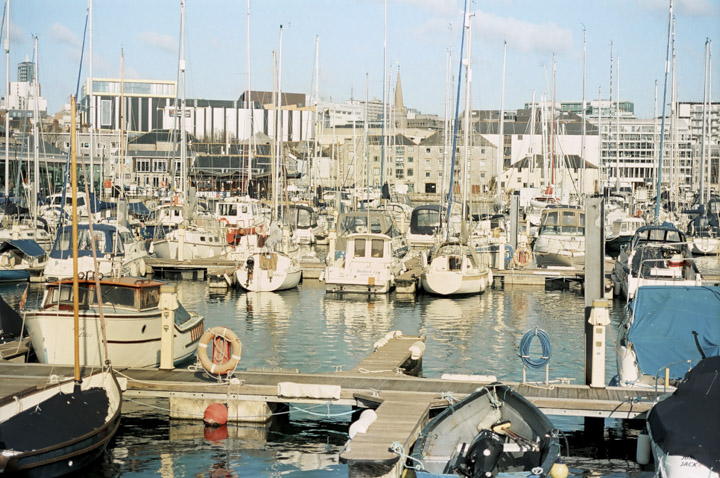
As stated above this is a totally manual and mechanical camera, there are no electronics but there is a battery for the light meter needle, in the view finder. The camera produces a very satisfying clunk click on the crank and shutter. It’s a very solid build, has nice weight, and comfortable to carry on either neck strap or wrist strap.
Photo four was taken using the Minolta 35-70mm F3.5 with macro MD series III @f3.5 on 35mm 30th of sec shutter speed.
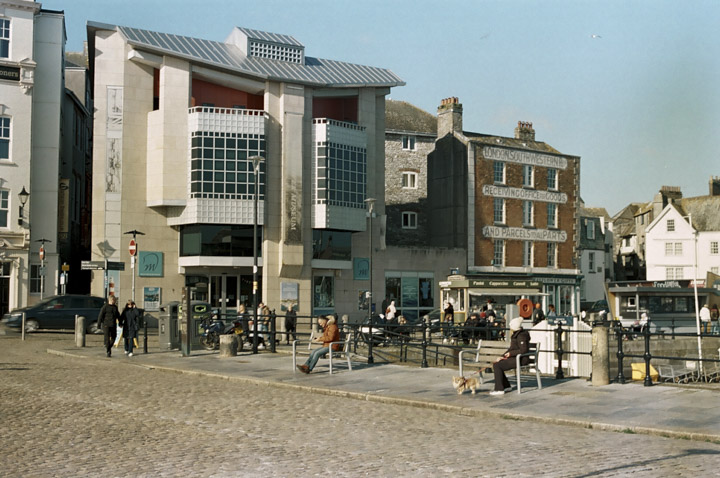
The top plate: on the left is the crank for winding the film back once all the frames shot to the
right is raised dial for shutter speed and film speed. Then the wind on crank with screw in
point for cable release and finally the frame counter.
Photo five was using the macro setting on 35-70 MD series III @ f11 8th of a sec shutter speed

On front of the body is the self timer, the preview button and the lens release with socket for
flash unit. On the underside is on/off switch and battery check.
Worth noting a flat/dead battery does not mean you cannot use the camera, just use the f16
sunny day rule or light meter app on your smart phone. The 58mm lens is like the camera
mostly metal and glass, little or no plastic. The 35-70 walk round lens being more modern
does have more plastic but is still very well built. This lens should not be confuse with a
kit lenses, as found on digital cameras, it’s much better. Although this is an old camera you
are not limited to just using early MC lenses all the Minolta manual lenses will work as seen
with the 35-70mm zoom and there also third party lenses that can be used.
The film used for this review is French made Film Flic Film Elektra 100 colour, not a film type I have used before. Once loaded I decided on walk round the Barbican, though heavier then later models it was comfortable to carry and was easy to hold and keep steady on most but the very slow shutter speeds. As it’s completely manual you need to set the aperture and shutter speed, the light meter will confirm when you have right combo, and tripod or monopod could be useful with slower shutter speeds in low light.
Photo six was using the macro setting on 35-70 MD series III @ f8 8th of a sec shutter speed

Photo seven was using the 35-70 set at 50mm @f8 8th of a sec shutter speed

Photo eight was using the macro setting on 35-70 MD series III @ f5.8 30th of sec shutter speed

For its price and age this is a nice camera and fun to use not having to worry over batteries and electronics, Minolta lenses can also be bought at affordable prices to fit this body. Loading film and using is easy and straight forward.


