Ricoh GR21 by Richard de Bulat
They say, “a bad workman blames his tools” and I came as close as to this as I ever want to before taking this little camera out for a test run. From the start it seemed a bit of a challenge since the aging GR 21 is notorious for its working one minute, not the next LCD, making it difficult to guess just what settings you are getting from one frame to the next. My bad workman moment was assuming that this would make much of a difference and, thereby, underestimating this very pocketable and capable camera.
I should have done my research; if I had, I would have discovered that it was the world’s first compact with a 21mm lens, it is rumoured that only 4000 or so were ever made and it was world renowned photographer Daido Moriyama’s favourite film camera. As a user, the first and third of these facts are most important and the second accounts for its rarity value.
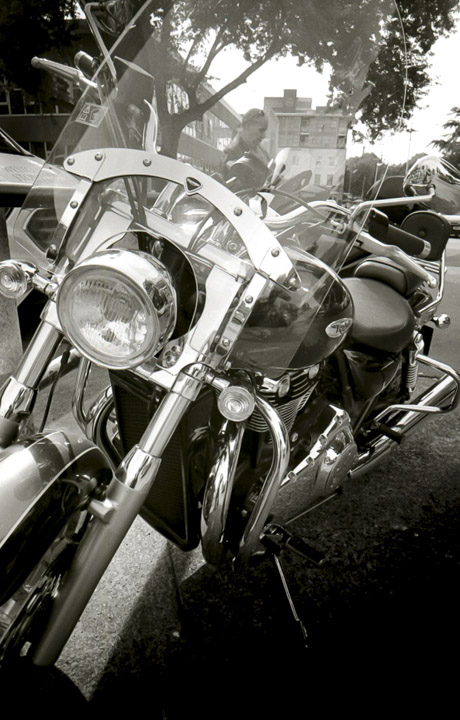
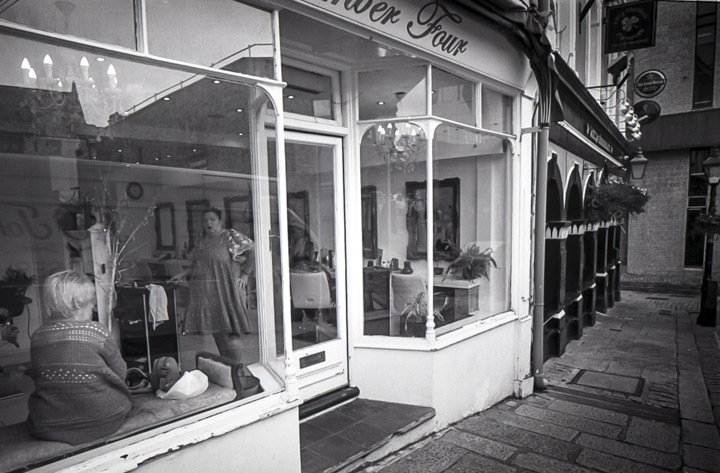
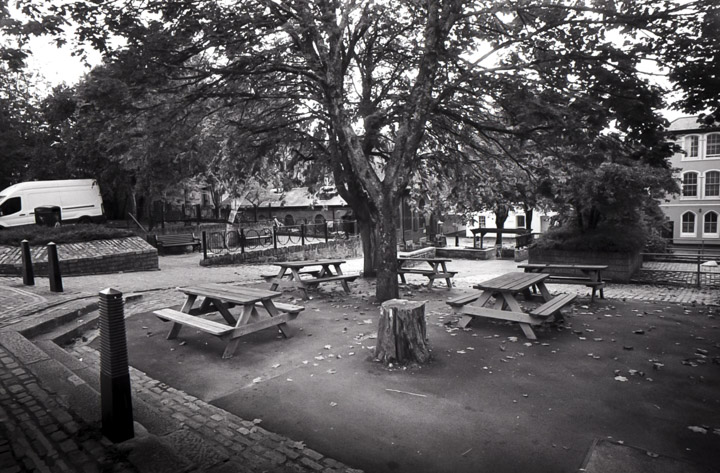
I tried to use this camera as a conventional point and shoot and in this respect the camera has definite weaknesses especially where scenes extend to infinity and will tend to softness. Its strength is in using it for relatively close focus and taking advantage of that 21mm lens. This is how Daido Moriyama used it in the close confines of downtown Tokyo, using available light, usually often dark and utilising its high contrast abilities to great effect.
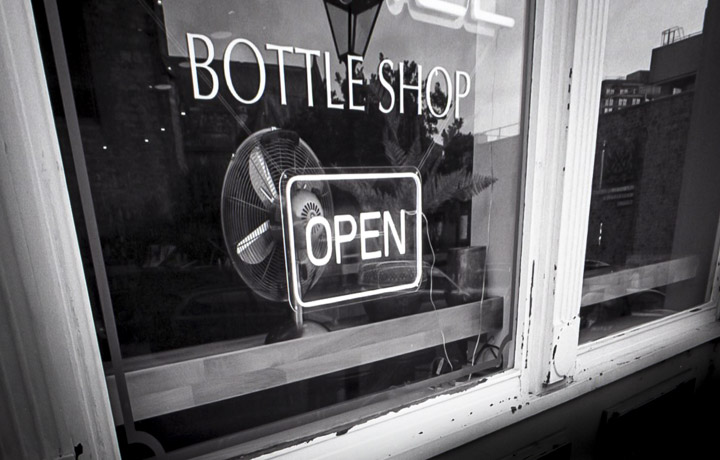
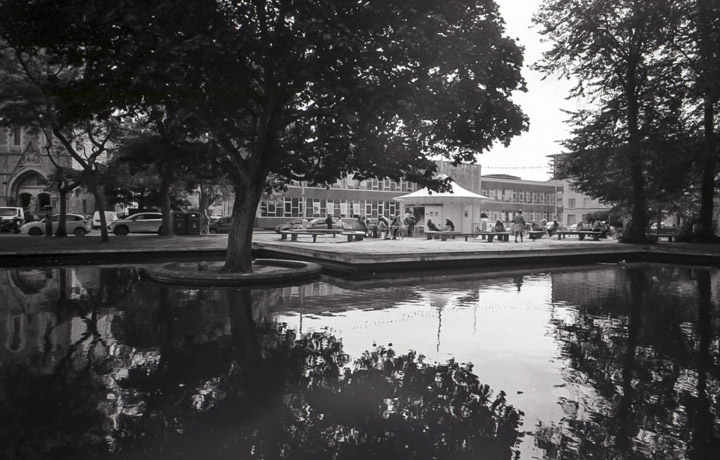
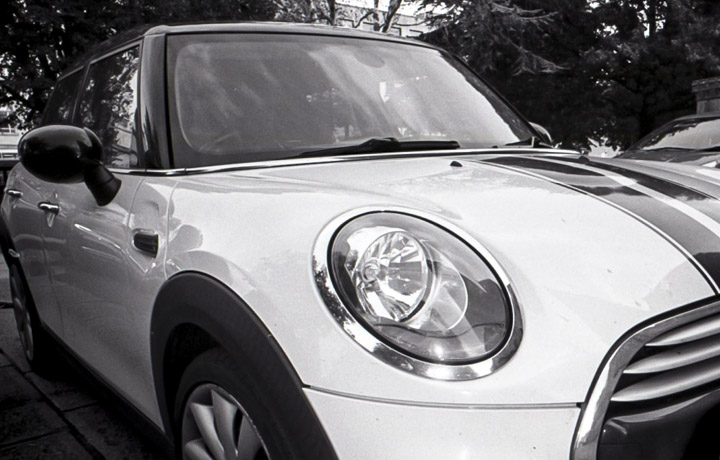
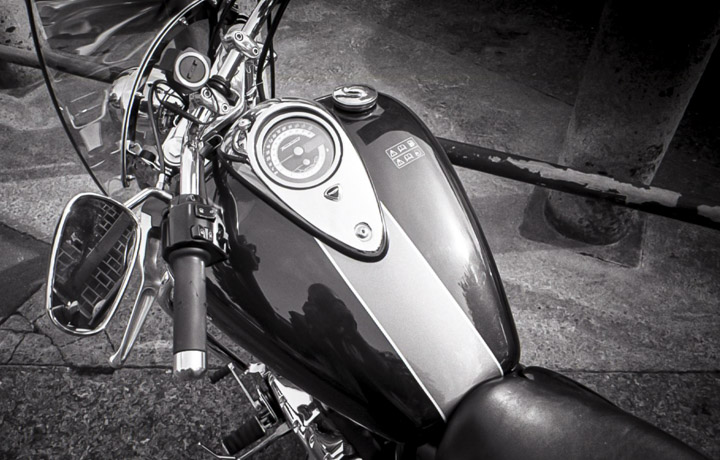
As I found in my own effort, up close the definition and contrast of the image makes for a strong photograph and no obvious distortion. Used for taking in the scenes and extending out to infinity, you will see a general softening of the image and clear distortion resulting from such a wide lens.
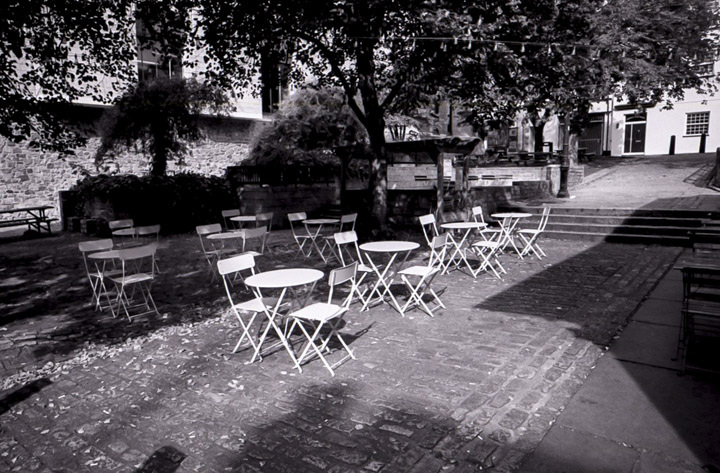
Robert Capa once said that if your photographs are not good enough it’s because you are not close enough – well this is the camera for close proximity, street shots, day or night, and capable of delivering good definition and high contrast: pity I didn’t know that – I might have made better use of it.
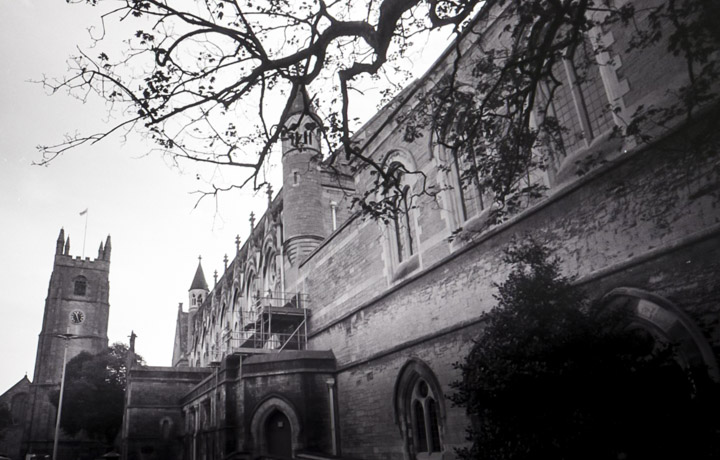
Obviously the LCD issue is of concern, but it can be overcome in some cases by turning the camera on and leaving it for 20 – 30 minutes, to warm up, as it were. I put it on aperture priority and let the camera do the work, which it generally did and did well. The LCD indications for close-up, two shot and wide shot showed up from time to time, but I ignored them for the most part. Framing the shot is straightforward using the small viewfinder and there are controls for exposure compensation and aperture settings. Clearly, learning how to use this camera properly is advantageous and having developed the negs and seeing the results I was sorry not to have taken this little camera more seriously and given it the credit that it deserves, like a good workman should.