
Mamiya 6MF review by Richard de Bulat
Using an unfamiliar camera has its challenges, but having tested and reviewed the Mamiya 7ii quite recently, I was confident that I’d have no difficulty in using the Mamiya 6. Having glanced at the supplied manual I set off early in the morning to Shaugh Prior to take a roll of film.
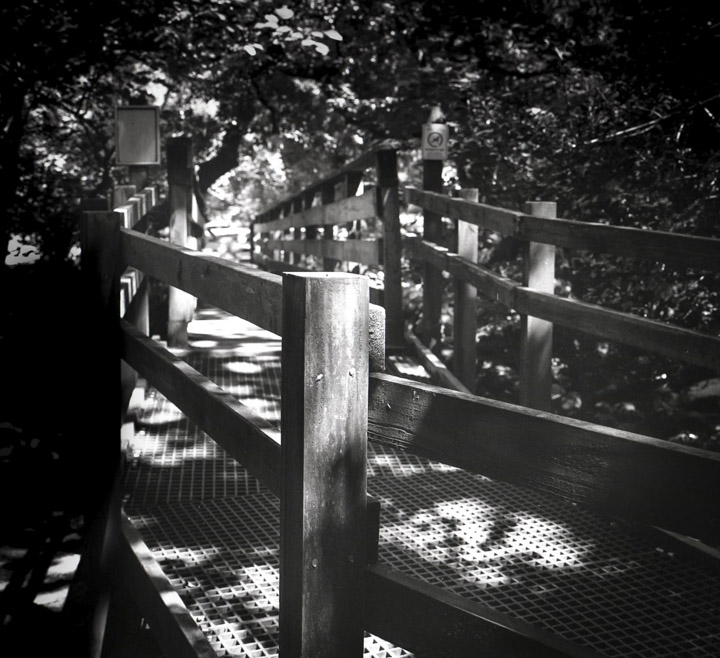
The lesson learned after returning unable to take a single shot, is – read the manual! There are certain things that you must do before using this camera, especially if the internal curtain is closed as it was in this case. You have to release the shutter before you can open the curtain and to release the shutter, you have to have the back open: (one lost roll of film).
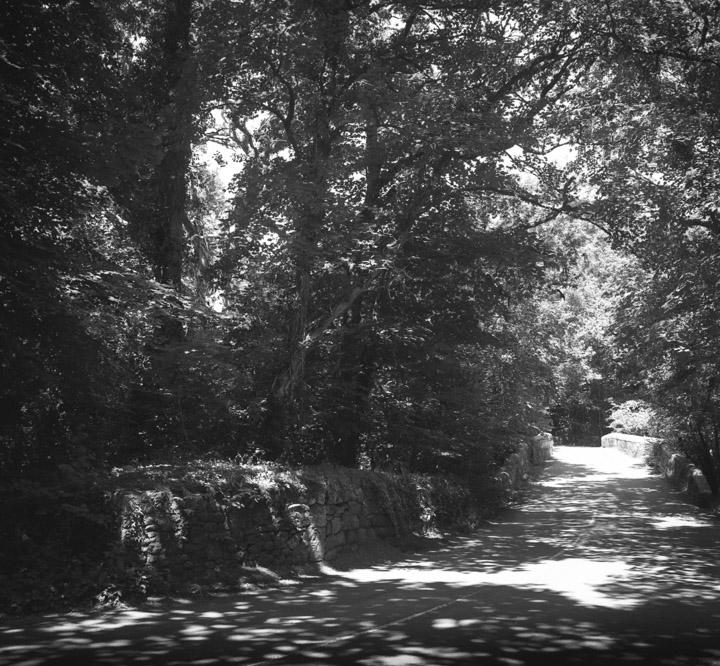
I read the manual and was able to return to Shaugh Prior, but not before early afternoon when the sun was very high and contrast impossibly so. I took a light reading and made the first shot. The camera has an internal light meter and provides a read out in the left hand side of the viewfinder, in this case, a full two stops less than the reading with my Sekonic, but I decided to use the camera’s meter anyway. The result was under-exposed negatives; but before being too critical of the camera I reiterate that scene contrast was incredibly high and exposing for the highlights at the expense of shadow detail meant that burn-out areas in the frame were reduced to a minimum. This was a bonus completely undeservered as I later discovered that the exposure compensation dial was set to -2, (Rookie mistake number 2). Nevertheless, the result was some very low key photographs and completely my own fault. However, another result of such intense light was was that I could not get a slow enough shutter speed, even at f22, the lens’ minimum aperture, slower than a 1/15th of a second and not slow enough to properly blur the flow of water in the river.
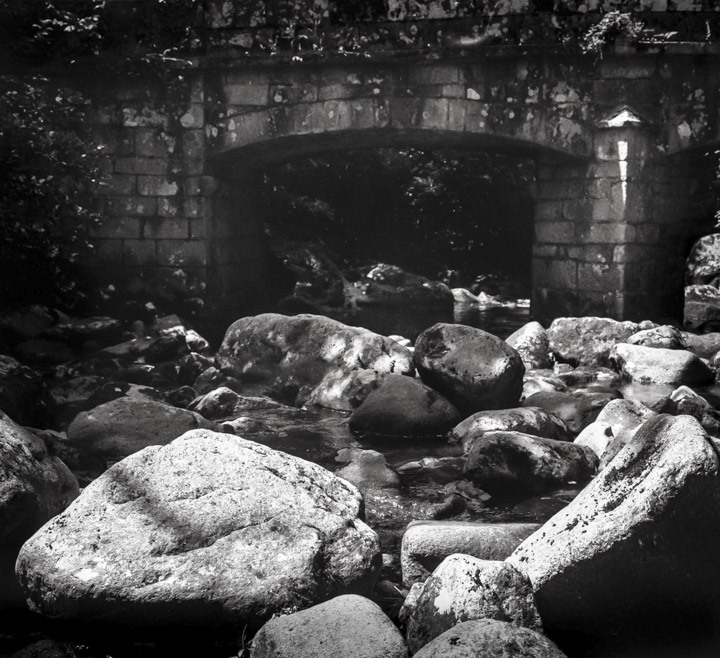
The camera, being a rangefinder, means that what you see in the viewfinder is not exactly what is registered by the lens and most shots will be a bit wider than anticipated, but not so much that more experience will not help you to frame fairly precisely. Focusing with the rangefinder is easy and if you are going walkabout taking hand-held shots, a rangefinder has distinct advantages.
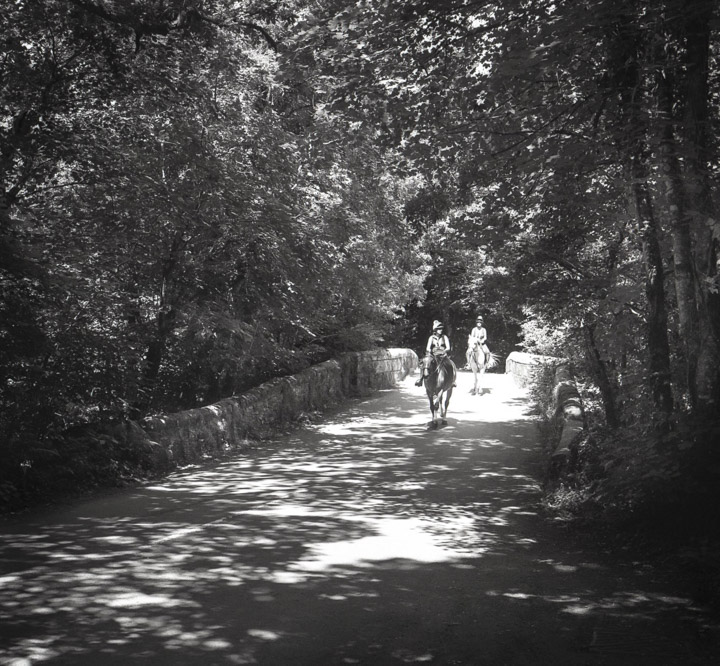
The Mamiya 75mm f3.5 standard lens is pin sharp and renders a lot of detail in the 6x6 negatives and this is a particularly strong point if and when sharpness is important. There is a lot of competition for the Mamiya 6 in terms of square format cameras, or medium format in general, but few cameras, other than other Mamiya’s match the lens quality.
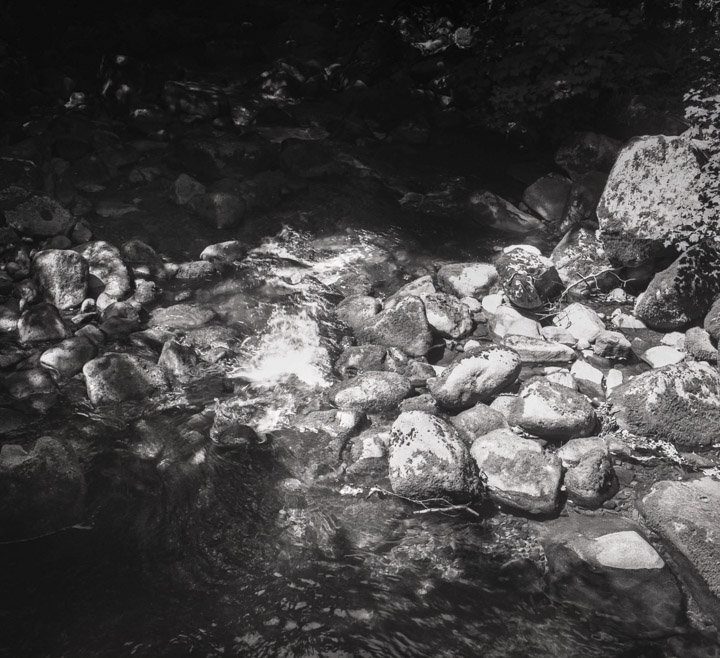
Using the Mamiya 6, once you understand its few idiosyncracies, is very straightforward; fast to focus, almost silent shutter and good handling qualities. When not in use, the lens retracts by about 2/3rds making it almost pocketable. It’s certainly a good street camera providing you appreciate the square format, lighter, but not light, and easier to handle than some other alternatives, with a basic range of lenses: what’s not to like?
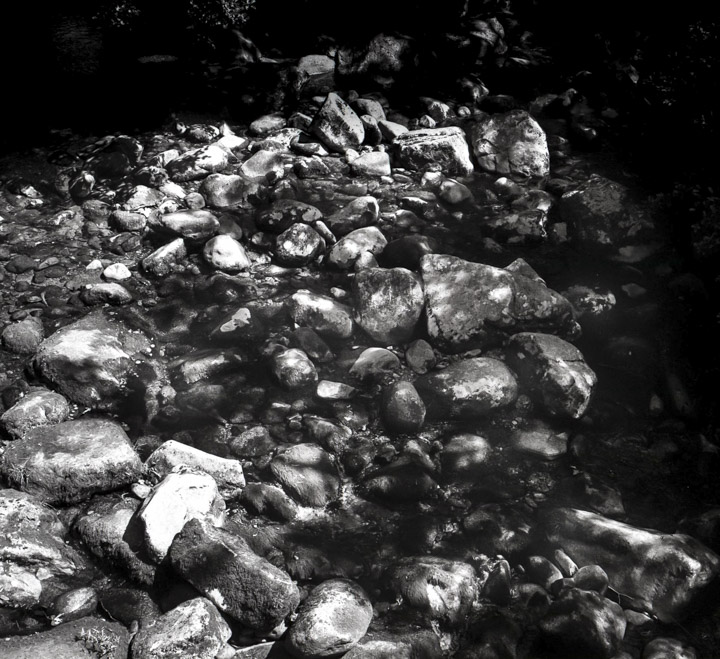
I did not use this camera in ideal conditions, but in a situation that was a mix of deep shadow and extreme highlights, which would test any camera’s capabilities. In the end, the camera delivered usable negatives, with good detail and few burnt out areas, from its own metering system, (notwithstanding my ineptness), which I think is pretty effective, in the circumstances. The quality of this camera is undeniable and it functions well.
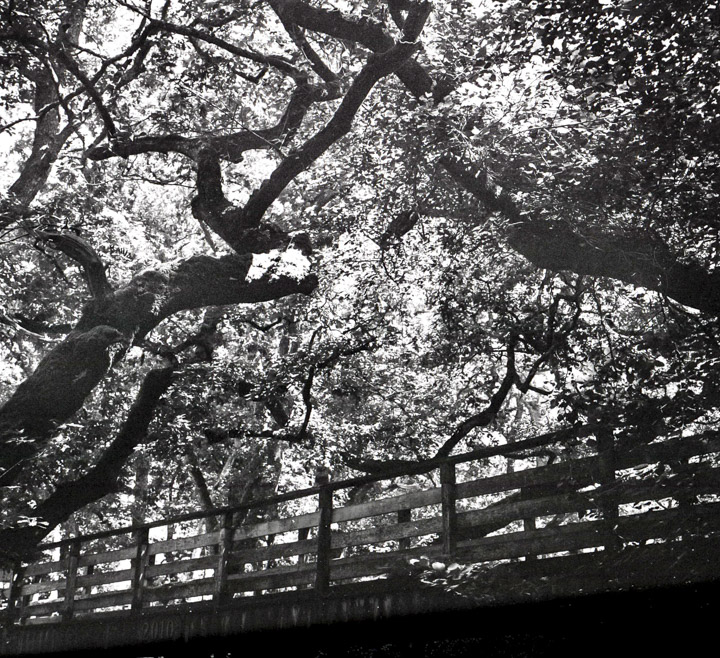
This camera is available to view or purchase on our Mamiya page


