
Yashica 124G by Richard de Bulat
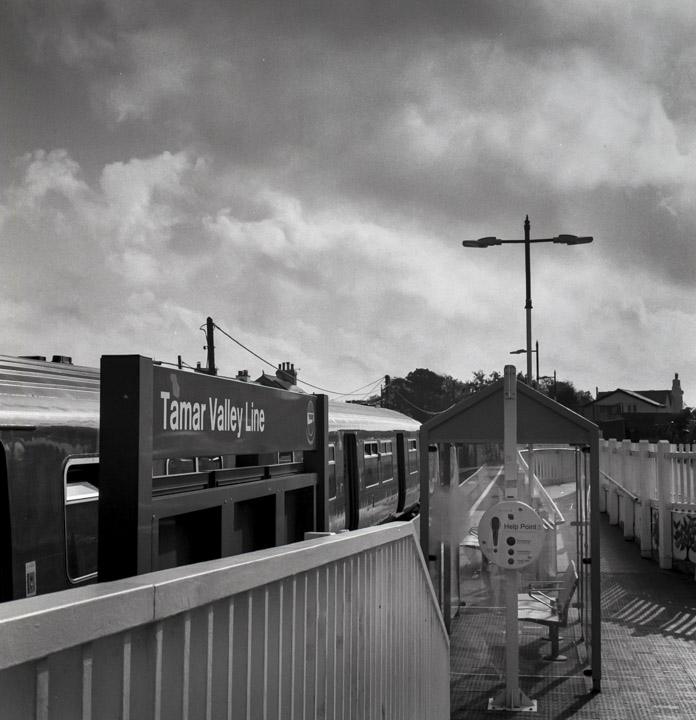
I went out with the Yashica 124G loaded with a roll of HP5+ and took the train to Gunnislake. The day started out with strong autumn sunshine and I knew that I had the wrong film. I had loaded up the day before in wet and dreary conditions, expecting more of the same for my excursion the following day: reminder to self – take more than one type of film and load up on the day!
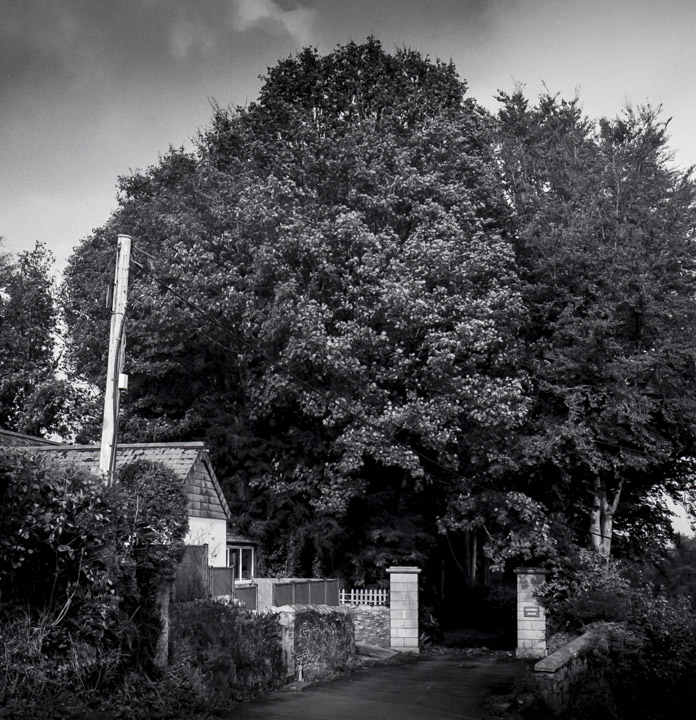
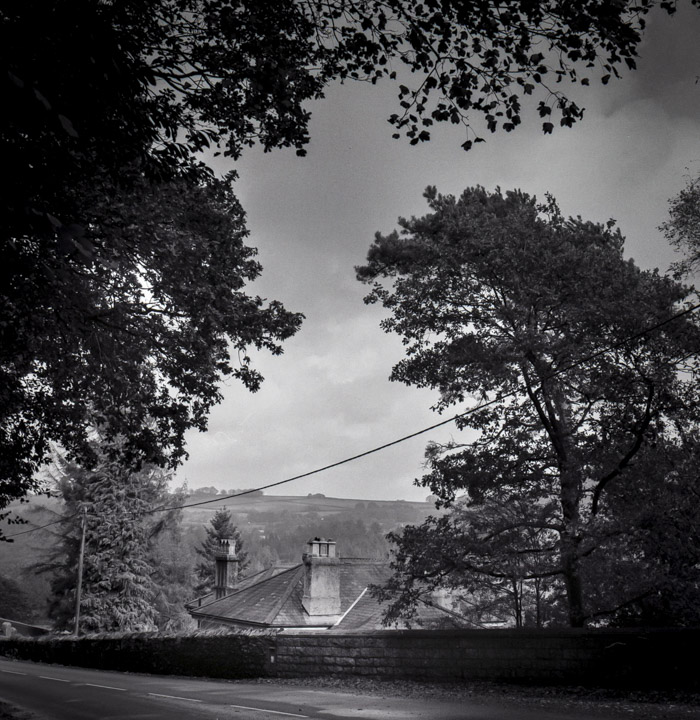
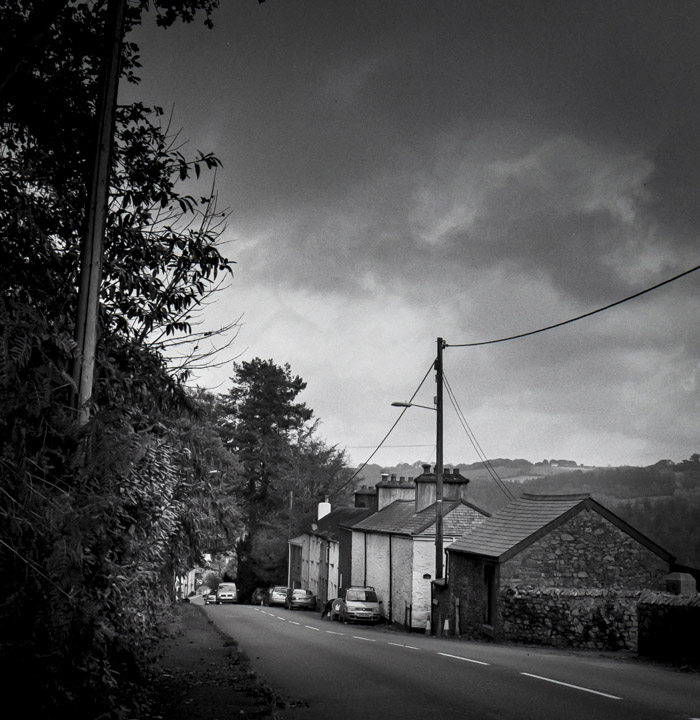
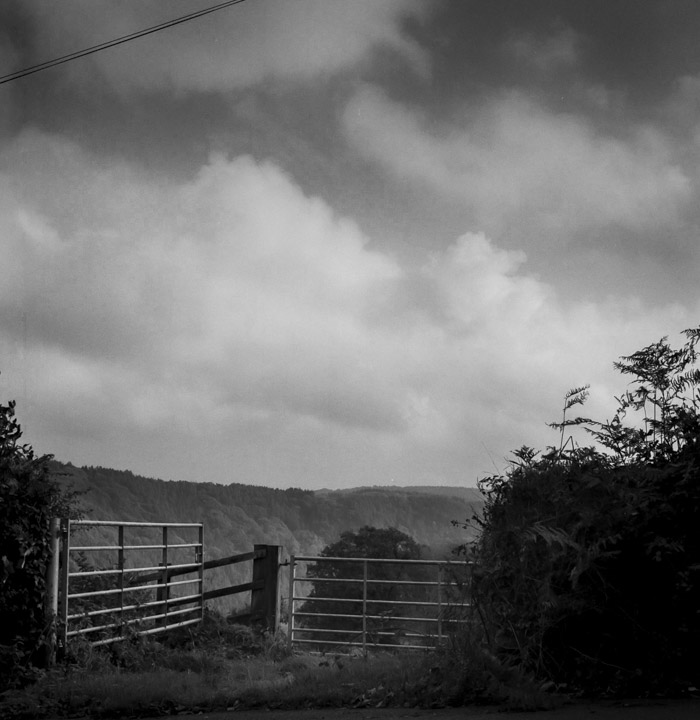
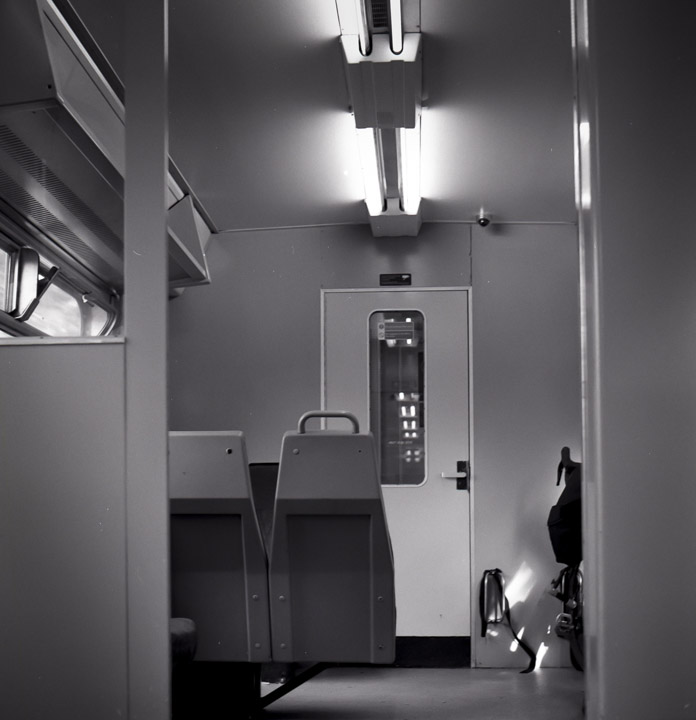
By the time I got to Gunnislake conditions had modified with sunshine and cloud alternating, but strong afternoon side lighting, according to the onboard light meter was giving me f22 at 1/500sec. I had decided to use the camera’s own light-meter to test it, but in the lighting conditions I found it wasn’t being overly helpful. That’s not to say it wasn’t accurate: a control shot taken in the railway carriage along the way, was spot on, but strong side or back lighting was going to be a problem: if I compensated and opened up the aperture I would risk blowing out the high lights and if I didn’t, I would lose considerable shadow detail. The other problem at small apertures would be diffraction and the tendency to soften the image. Most of this would have been solved, in part, if I rated the film at 200asa rather than box speed and helped even more with the addition of a yellow filter. What I did was give half a stop additional development time and fortunately ended up with a very usable negative after processing, meaning I was probably worrying too much and the onboard light meter was pretty much okay.
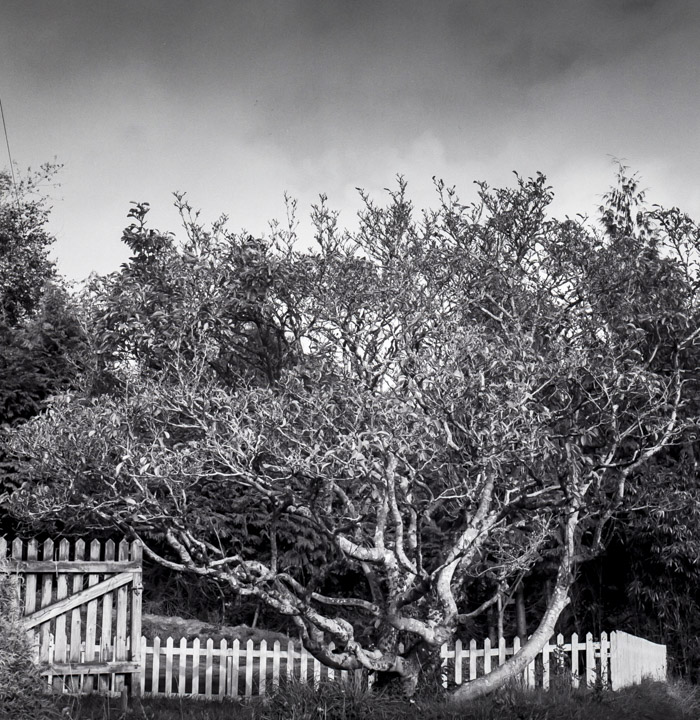
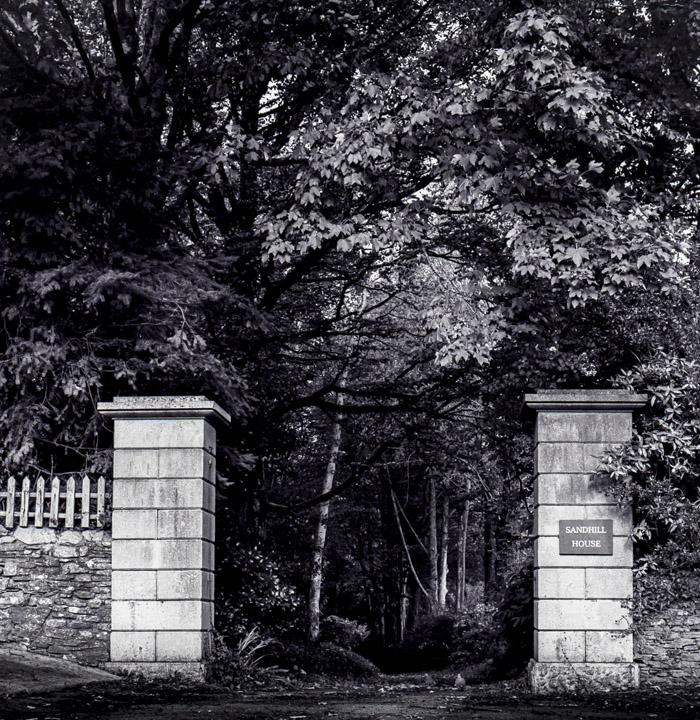
Using the camera was pretty much okay too. The 80mm Yashinon lens is good, the viewfinder certainly bright enough and general handling is also good. If I have one criticism, it is that there is no real feedback when you press the shutter which is almost silent and gives a mere flutter when pressed, which takes a bit of getting used to. Apart from that, the camera was a joy to use and great to walk about with. Operating the shutter speed and aperture wheels was smooth and positive, with the advantage of seeing the red and yellow lines of the light-meter converge to get a reading. The aperture has no click stops so you can easily fine tune the settings and moving the camera slightly towards shadow areas will affect the reading slightly, but I thought that it generally reads from a wide angle of view. I almost always use my own hand held light meter or a spot meter, but I was quite impressed by the camera’s own meter in this instance.
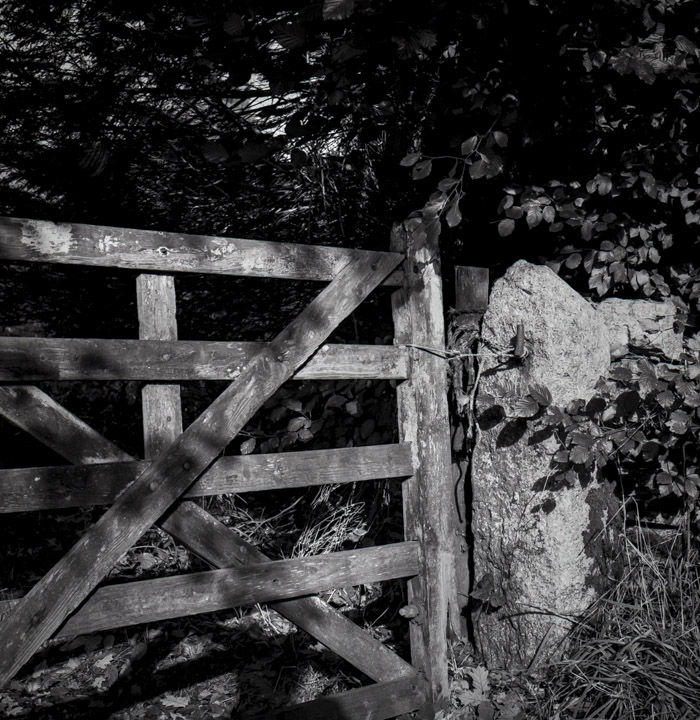
The camera has quite a solid feel to it and in it’s leather case has quite a retro look and you can’t help but compare it to the Rolleiflex camera on which it is modelled. Having used several Yashica models over the years, I think that the 124G is definitely the best and probably comparable to the Rolleiflex T in some ways, but both have their differences as well as similarities. Shooting with a TLR is different from using any other kind of camera including medium format SLR’s: the weight and balance is different, making the TLR a good street or walkabout camera more than a studio camera and framing is simplified by having a square format. I found looking through the viewfinder and composing the shot with this camera to be a very positive experience and the image you see, although reversed, gives a very clear idea of what you can expect the processed image to look like.
If you have never used a TLR, perhaps this is the model you should try first.
Click to see our TLR camera selection


